Recognizing Laboratory Screening With Clear Coa Basics
Peptide Coa Library: Third-party Batch Lab Outcomes
Contrast of inner research laboratory evaluation and independent third-party screening utilized to verify analytical outcomes for research peptides. Along with chromatographic approaches, mass spectrometry adds to the wider structure used in assessing lab-tested peptides. An additional analytical technique commonly referenced in peptide paperwork is mass spectrometry. In peptide evaluation, the key optimal on the chromatogram often represents the anticipated substance. Added heights may represent various other obvious components present in the example. One of one of the most frequently utilized methods in peptide purity screening is high-performance fluid chromatography, generally abbreviated as HPLC.- Results are reported in Endotoxin Units per milligram (EU/mg), with appropriate limitations differing by intended use however generally needing less than 5 EU/mg for research study applications.
- As batches are made, samples are sent out via laboratory testing to accumulate data.
- It is essential to understand that a COA is only helpful when it is full, readable, and connected to the precise product being sold.
- As the substances exit the column, detectors measure the presence of each element.
- She holds a BSc in Genes and a Master's in Public Wellness (MILES PER HOUR), with a concentrate on mitochondrial science, metabolic wellness, and healthy aging.
Our Testing Procedure
Factors such as column kind, solvent slope, detection wavelength, Scientific Supplier calibration criteria, and sample prep work can all affect the last reported purity. Also when checking the same material, various laboratories might generate a little different outcomes because of these variables. A COA is an important file, however it should not be the only aspect customers make use of when assessing a research study peptide supplier. It is likewise vital to take a look at just how the supplier offers item information throughout the internet site. A supplier-issued COA can still work when it is batch-specific, readable, and consistent with the item being marketed. The crucial inquiry is whether the record gives sufficient clarity and traceability for purchasers to evaluate it with self-confidence.
What Info Should Constantly Appear On A Coa?
Whenever a batch is made, the process is recorded all the way from the very first step to the finished CoA. Having this degree of information helps a laboratory place anything strange before they proceed a study. With each file, there's a possibility for the study group to make certain every little thing is as anticipated. It comes to be a functioning recommendation that aids track what was used and how constant it is from order to order.
Some labs run their own internal examinations, while others prefer outside labs to verify findings. Whether inner or outside, all screening needs to be carried out in controlled laboratory environments under established procedures. Peptide sequencing with Edman destruction or tandem mass spectrometry (MS/MS) gives definitive sequence verification by identifying the order of amino acids. While not all COAs include full sequencing data as a result of cost considerations, this information supplies the highest degree of identification verification available.Bewaring with these information prevents confusion in the center of the study process. For labs that routinely take care of numerous sets, recognizing exactly how to review a CoA quickly and properly is necessary. These areas use some technical terms, yet many comply with the exact same basic format. The information found in a peptide CoA usually start with how the product is tested.A Certificate of Analysis provides the analytical foundation required to examine high quality, uniformity, and suitability for clinical use. Without this info, analytical results can not be individually evaluated or contrasted across suppliers. The testing research laboratory, accreditation standing, and analyst information should be clearly specified. Minor variants in sequence accuracy, pollutant make-up, or deterioration state can dramatically modify speculative behavior.
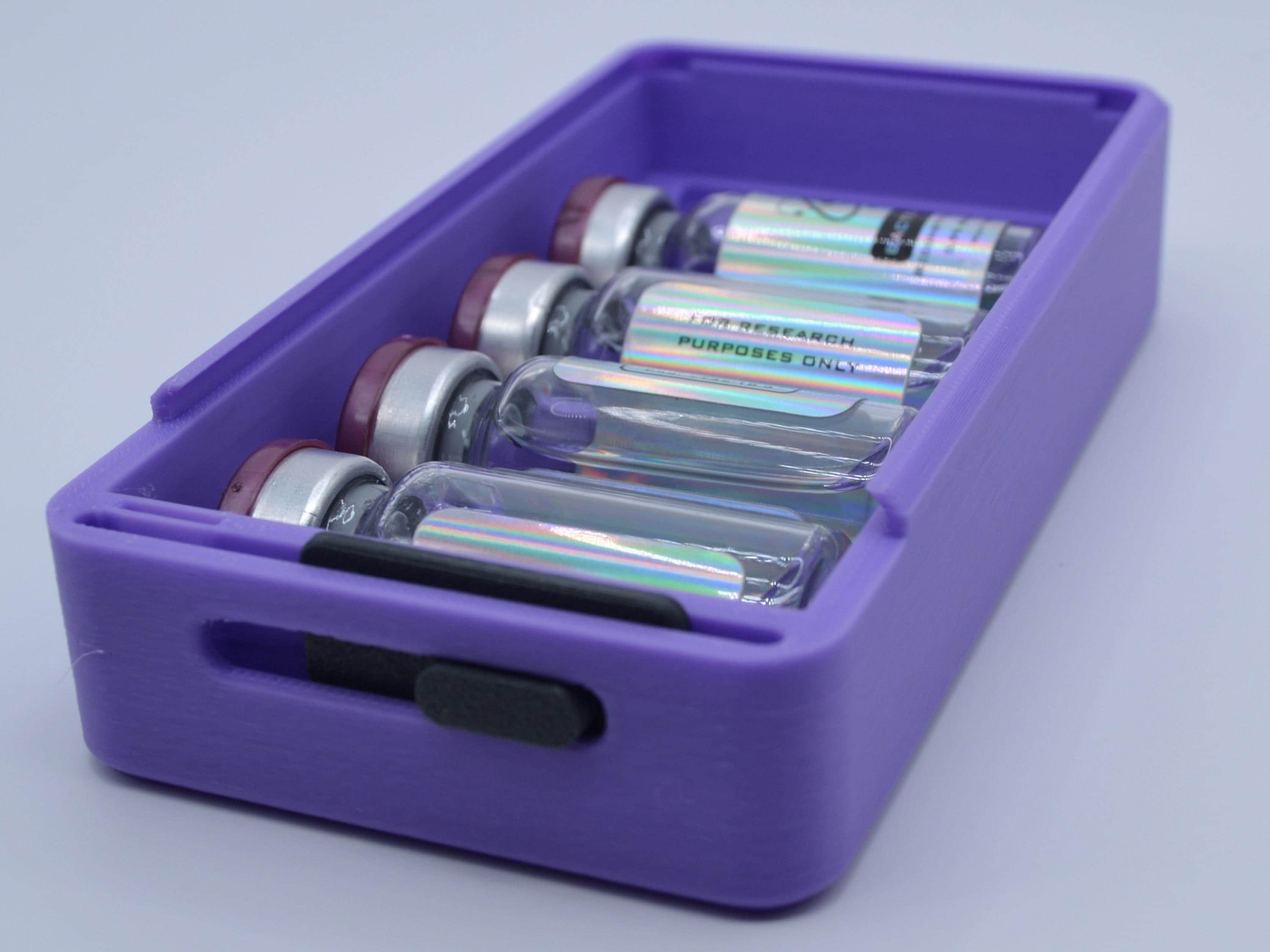
Identification testing verifies that the peptide has the appropriate molecular structure and amino acid sequence. The batch identifier on the CoA need to match the vial tag specifically. If you have a specific substance you are sourcing for research study, reach out directly and we can verify accessibility and timing. Disparities between COA information and item characteristics require examination. If the COA defines white powder yet the product shows up yellow or brownish, or if specified quantities don't match vial contents, speak to the vendor instantly. A Certificate of Evaluation (COA) validates key top quality attributes for each and every lot of a research study peptide.
Introduction of the laboratory operations made use of to validate peptide research compounds via analytical testing and recorded certifications of analysis. A peptide CoA helps validate the item's identification, revealing essential information like purity and examination results. This ends up being much more important in January, when lots of laboratories return to full routines after the holiday break. With research study reactivating, having correct documents in position suggests less time double-checking and even more time concentrated on the study itself. A reliable CoA includes batch-specific information, logical techniques, chromatograms or spectra, screening dates, lab certification, and third-party verification where relevant. Distinctions in between third-party lab results and reported pureness are typically due to variations in analytical approach.